
Pack for the worst weather the forecast can throw at you, not the best, and build outward from eight non-negotiables: shelter, sleep, clothing, water, food, lighting and power, first aid, and your documents. The single rule that saves every festival weekend is self-sufficiency. Bring at least 3 litres of water per person per day, seal your tent properly, and assume the nearest shop is further away than you'd like. A printable checklist is below.
TL;DR:
- Packing enough water, specifically at least 3 liters per person per day, is essential for self-sufficient camping at remote festival sites.
- Ensure your tent has a full rainfly, sealed seams, and a ground tarp to prevent ground moisture from soaking your sleeping bag during heavy rain.
- Use layered clothing, including merino or synthetic base layers and waterproof outer shells, to adapt to temperature swings of 15 to 20 degrees.
- Plan and pre-cook meals, bringing a reliable stove, spare fuel, and a supply of high-energy snacks to save time and avoid relying on external food sources.
- Check weather forecasts 48 to 72 hours in advance and pack waterproof boots or gumboots and warm layers for cold, muddy conditions.
Table of Contents
- Festival packing list overview: day kit, night kit and campsite kit
- Shelter and sleeping essentials
- Clothing and footwear for changing conditions
- Food, cooking and hydration on site
- Lighting, power and protecting your electronics
- Toiletries, medications and first aid
- Camp setup, tools and comfort
- Weather readiness: rain, mud and cold nights
- Admin, documents and safety checks
- Printable checklist and packing timeline
- Book smart, arrive prepared
- Sources
- FAQ
Festival packing list overview: day kit, night kit and campsite kit
Split your gear into three piles before you even open the tent bag. It makes packing the car easier and stops you rummaging through everything at 6am for a headtorch.
Day kit (goes in your daypack): reusable water bottle, wide-brim hat, SPF50+ sunscreen, earplugs, phone power bank, cash, and photo ID.
Night kit (lives by your sleeping bag): sleeping bag rated for the coldest expected night, sleeping mat, warm "every-night" layer, headtorch, and spare batteries.
Campsite kit (shared across your group): tent pegs (count them before you leave), mallet, camp stove and fuel, esky with ice, tarp, folding chairs, and a basic repair kit.
Quantities matter more than most people think. Pack multiple pairs of socks, and budget 3 litres of drinking water per person per day for remote, self-sufficient sites.
Shelter and sleeping essentials
A tent that performs fine in the backyard can fail spectacularly at 2am when a cold front rolls through. Choose one with a full rainfly and factory-sealed seams, then bring your own footprint or tarp to lay underneath it. That extra layer stops ground moisture wicking up through the floor, which is the single most common cause of a wet sleeping bag by morning.
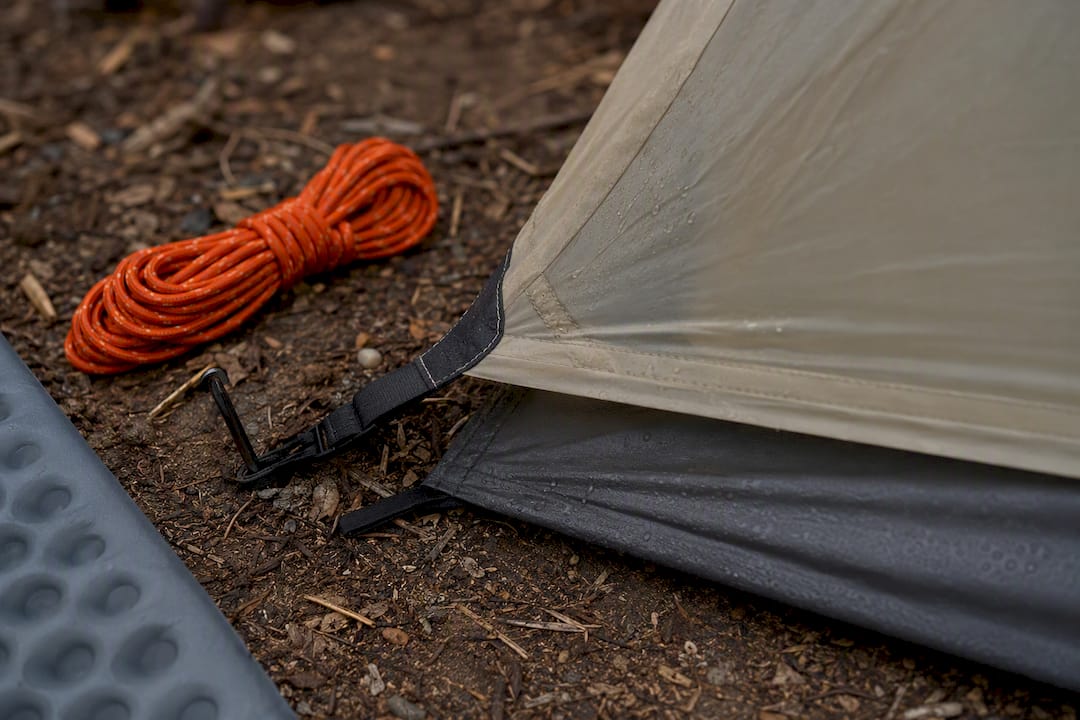
Count your pegs before you pack the car, and bring a mallet rather than relying on a rock. Australian camping checklists consistently flag pegs, footprints and spare guy ropes as the small items that cause the biggest campsite failures when forgotten. Pack tensioners too, since festival ground is often compacted and prone to peg pull-out in wind.
For sleeping gear, match your bag's rating to the coldest night on the forecast, not the daytime high. Choose a sleeping bag rated appropriately for the expected coldest night temperatures, but check the specific event's location and season before assuming. Pair it with an insulated or closed-cell foam mat for ground insulation, since a sleeping bag alone won't stop heat loss into cold earth.
Pro Tip: Walk your site before pitching. Avoid shallow drains, wheel ruts and any dip that looks like it collects water, because that puddle you dismissed at 4pm becomes your mattress by midnight.
Clothing and footwear for changing conditions
Festival days can swing 15 to 20 degrees between the afternoon sun and the pre dawn chill, so a proper layering system beats a suitcase of outfits every time.
- Base layer: merino or synthetic thermal, never cotton, since cotton holds moisture and stops insulating once it's damp.
- Mid layer: a fleece or puffer jacket you can add or strip depending on the hour.
- Outer layer: a waterproof hardshell with sealed seams for wind and rain.
- Socks: pack a minimum of three pairs, again favouring merino or synthetic over cotton.
- Footwear: waterproof boots or knee-high gumboots if the site has any mud history, plus thongs or sandals for lounging around camp.
Choose earth tones or dust-friendly colours over anything you'd mind getting filthy, and pick one warm jacket you genuinely like the look of. Wearing the same reliable piece every night beats hauling three "maybe" jackets that never leave the bag.
Food, cooking and hydration on site
Hydration is the one line item that isn't negotiable, no matter how light you're trying to pack. Plan a minimum of 3 litres of drinking water per person per day for remote, self-sufficient camping festivals, then add extra again for washing dishes, brushing teeth and cooking.
By the numbers: a group of four camping for three nights needs at least 36 litres of drinking water alone, before a drop goes toward washing or cooking. That's roughly six standard 6L water containers, not one.
Meal planning saves time and gas. Precook and vacuum-pack meals where you can, bring high-energy snacks for the between-set hours, and carry at least one emergency tinned meal per person in case the esky ice melts faster than expected.
Camp kitchen essentials:
- A reliable stove with spare fuel canisters, not just one.
- Lighter plus waterproof matches as backup.
- A couple of light pots and a good esky, packed with block ice at the bottom and drinks on top to slow the melt.
Lighting, power and protecting your electronics
Once the sun drops, a decent light source stops being a nice extra and becomes the thing that gets you to the toilet block without a twisted ankle.
- Bring sufficient light sources such as a headtorch for each person and shared camp lanterns for the communal area.
- Spare batteries for both, packed in a separate dry bag from the ones currently in use.
- Bring a power bank with enough capacity to keep your phone charged through the festival without hunting for a powerpoint.
- A small solar panel if you're off-grid for longer stretches, since reliable charging is consistently flagged as a top-tier festival essential.
- Dry bags or heavy-duty ziplock bags for phones, cables and power banks, plus a spare charging cable in case one gets lost in the grass.
Toiletries, medications and first aid
Health basics are easy to forget when you're focused on tents and eskies, but they're what stop a minor issue becoming a ruined weekend.
- Biodegradable soap, toilet paper, sanitary items, a quick-dry towel and hand sanitiser.
- All prescription medication in its original packaging, since festival sites often have limited or no pharmacy access.
- Antihistamines, basic pain relief, and electrolyte sachets for hot days and big nights.
- A compact first-aid kit covering blister plasters, bandages and antiseptic wipes.
Official festival guides are blunt about this: sites can have limited phone reception and no running water, so carrying your own medication and cash is standard advice, not an overreaction. For anything serious, register at the festival's first-aid tent as soon as you arrive so you know exactly where it is before you need it.
Camp setup, tools and comfort
A festival campsite that runs smoothly for four days needs a bit more than a tent and a chair. Shade matters as much as shelter from rain, so a tarp or awning rigged over your camp area earns its space in the car. Check the specific festival's rules on gazebos and structure sizes before you commit to anything large, since some sites restrict footprint per group.
Repair kit checklist:
- Gaffer tape, because it fixes almost everything short of a snapped tent pole.
- A multi-tool with pliers and a blade.
- Spare guy ropes and a couple of tent repair patches.
Comfort items round it out: low camp chairs, a rug or picnic blanket for the ground, and a small folding table for the cooking area. If you're tight on space, prioritise dry storage over comfort furniture. A dry sleeping bag matters more than a fourth chair.
Weather readiness: rain, mud and cold nights
Heavy rain and cold nights are what actually ruin festival weekends, far more often than any lineup clash. Your tent footprint and sealed seams do the heavy lifting here, since tent floors flood in sustained rain and a footprint is the cheapest insurance against it. Keep every electronic item in a dry bag regardless of forecast, because one surprise downpour is all it takes to write off a phone.
For mud-prone sites, knee-high gumboots outperform hiking boots every time, and waterproof overpants are worth the extra kilo in your bag if the forecast shows sustained rain. One reliable warm layer beats three fashion jackets when the temperature drops fast after sunset.
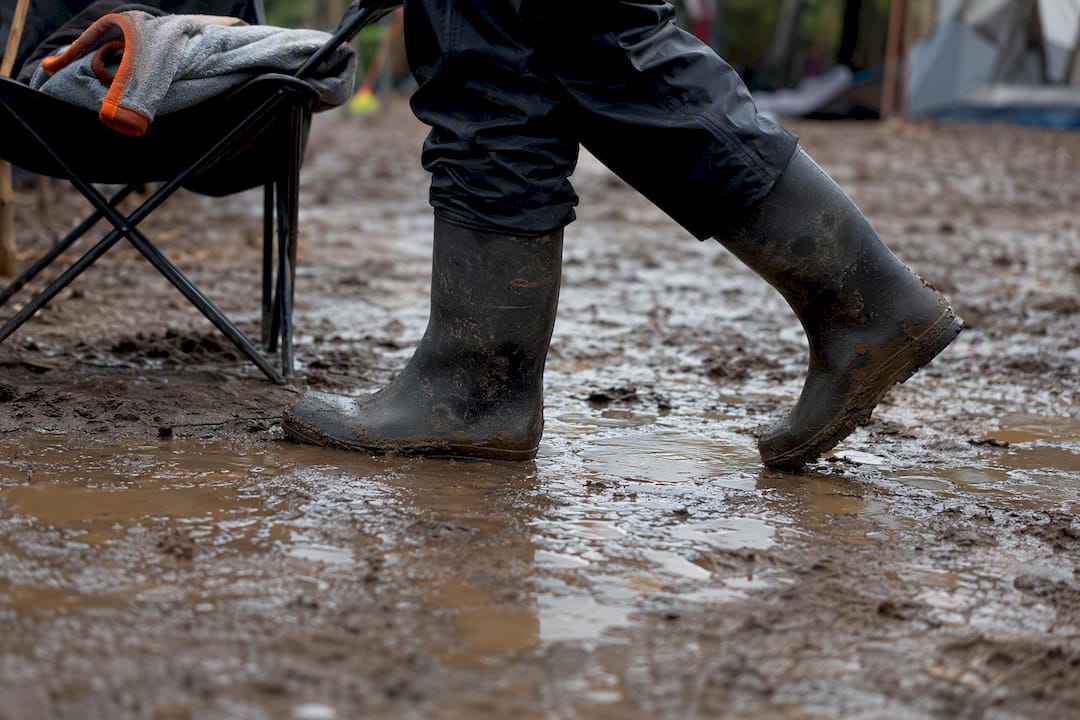
Pro Tip: Check the forecast 48 to 72 hours out, not a week ahead. Festival-region weather, especially inland or remote sites, shifts fast, and that late check is what tells you whether the gumboots actually need to come.
Admin, documents and safety checks
Gear failures are annoying. Missing admin items can stop your weekend before it starts.
- Tickets and photo ID, plus a printed booking confirmation as backup if your phone dies or reception drops out.
- Cash for remote sites where card-only vendors aren't guaranteed and eftpos can fail.
- Offline maps downloaded before you leave phone coverage, and a written emergency contact list.
- Know the festival's specific entry rules (no glass, bag-check limits) before you pack your esky.
- Leave a trip plan with someone at home, and note the location of the first-aid tent and a group meeting point once you're on site.
Printable checklist and packing timeline
Pack in stages rather than the night before. Camping experts recommend checking gear 24 to 48 hours out specifically so a forgotten peg bag or flat power bank still has time to get sorted.
- 48 hours out: lay out every category (shelter, sleep, clothing, water, food, lighting, first aid, documents) and physically count pegs, batteries and socks.
- 24 hours out: charge every power bank and headtorch fully, fill water containers, and pack the esky last so ice doesn't melt early.
- Load the car: heaviest and least-needed items in first (chairs, table, esky), tent and sleeping gear next, day kit and documents on top for easy access.
- Morning of: confirm ticket and ID are in your bag, top up water one final time, check fuel in the car, and do a last peg and mallet count.
Keep this list on your phone as a screenshot, or print it and stick it to the fridge. Either way, tick items off as you load, not from memory.
Book smart, arrive prepared
Nothing ruins a set faster than a soaked sleeping bag or a dead phone at check in. Download your tickets and event maps before you leave reception, so you're not relying on a signal that mightn't show up. Sort your gear, then browse festivals and live events worth building a weekend around.
— GARY
Sources
- What to Bring to Mundi Mundi Bash 2026 | Broken Hill, NSW
- Complete Australian camping checklist
- Must-haves for anyone hitting the summer festival circuit
FAQ
What Should Be at the Top of Any Festival Packing List?
Shelter, sleep, clothing, water, food, lighting and power, first aid, and your documents. Everything else is refinement once those eight are covered.
How Much Water Do I Need for a Multi-Day Festival?
Plan a minimum of 3 litres of drinking water per person per day for self-sufficient camping festivals, plus extra for washing and cooking.
What Sleeping Bag Rating Is Best for Australian Festivals?
Match the rating to the coldest expected overnight temperature at your specific site. A sleeping bag rated for the coldest expected night temperatures suits most cool-season festivals, but check the location before assuming.
How Many Pairs of Socks Should I Pack for a Weekend Festival?
Pack a minimum of three pairs, and choose merino or synthetic over cotton, since cotton stops insulating once it's wet.
When Should I Start Packing for a Festival?
Lay out gear 48 hours before departure and do a final check the morning of, so forgotten pegs, chargers or medication still have time to get sorted.
Disclaimer: Event dates, times, venues, ticket prices, availability and entry requirements may change. Please check the official TixRocket event page before purchasing or attending. Venue conditions, age restrictions and valid photo ID requirements may apply.